
Benefits of Boxing Training in Staten Island
What boxing actually does for your body, your head and your confidence, and why a real boxing gym beats a fitness class that borrows the gloves.
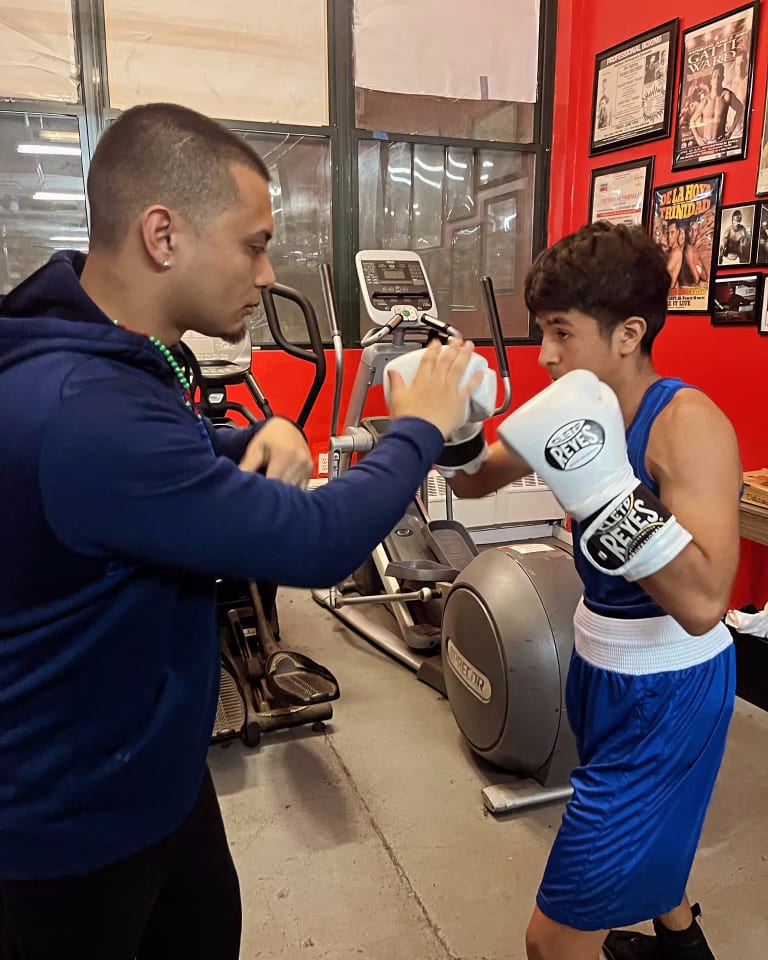
People walk into Ironhand for a hundred different reasons. They want to lose weight. They want to feel safer walking home. They had a bad year and they need somewhere to put it. Almost nobody’s first reason is “I want to be a boxer.”
That’s fine. Boxing gives all of it back anyway.
It is the best conditioning most people will ever do
Three minutes on a heavy bag will tell you more about your cardio than an hour on a treadmill. Boxing works in rounds, which means it trains your body to go hard, recover fast, and go again. That is the exact pattern almost every sport and almost every physical emergency in real life follows.
You’re moving your feet, rotating through your hips, and keeping your hands up the entire time. There is no way to coast through a round. That’s why members who came here purely to get in shape end up in the best condition of their lives without ever setting foot on a piece of cardio equipment.
The technique is the point
This is where a boxing gym separates itself from a fitness class that happens to own gloves. Every Ironhand class includes one-on-one mitt work with a coach. Not a video. Not a trainer counting reps from across the room. A coach holding pads, watching your feet, and correcting your stance in real time.
That matters for two reasons. First, bad punching mechanics hurt your wrists and shoulders. The fastest way to end someone’s boxing is to let them throw incorrectly for six months. Second, learning something genuinely difficult, and watching yourself get better at it week over week, does something for a person that burning calories never will.
It builds confidence you can feel outside the gym
We hear a version of the same thing constantly: people start standing differently. Not because they’re looking for trouble, because knowing you can handle yourself quietly removes a background hum of anxiety most people didn’t realize they were carrying.
For kids and teens it shows up as discipline. Show up on time, listen, do the work, respect the person across from you. Parents notice it at home before they notice it in the ring.
You do not have to fight
This is the question we get more than any other, so let’s be direct: sparring at Ironhand is optional, supervised, and never a requirement. Plenty of our members train for years and never spar a round. Plenty of others discover they love it and end up in our Fighters Program competing as amateurs.
Both are a full membership here. Neither is the “real” version.
Start where you are
The hardest class you will ever take is the first one, and it’s hard for reasons that have nothing to do with fitness. Everybody in that room was new once, and most of them remember it vividly.
Come find out what you’re capable of. We’ll take care of the rest.
Keep reading
The Importance of Boxing Fundamentals: Why the Basics Win Fights
Stance, footwork, the jab, defense, and balance. Coach Ian Sampaga explains the boxing fundamentals every beginner needs and why skipping them caps how good you can get.
How Long Before You Can Spar? And How Long Until You Can Compete?
Most beginners spar within 3 to 6 months, but the real answer depends on the person. Coach Ian Sampaga explains what he looks for before clearing a boxer to spar, and how he decides when a fighter is ready to compete.