
Why Boxing Works for Kids and Teens
What our Friday Kids & Teens class actually teaches, coordination, discipline and confidence, and why parents keep telling us the change shows up at home first.
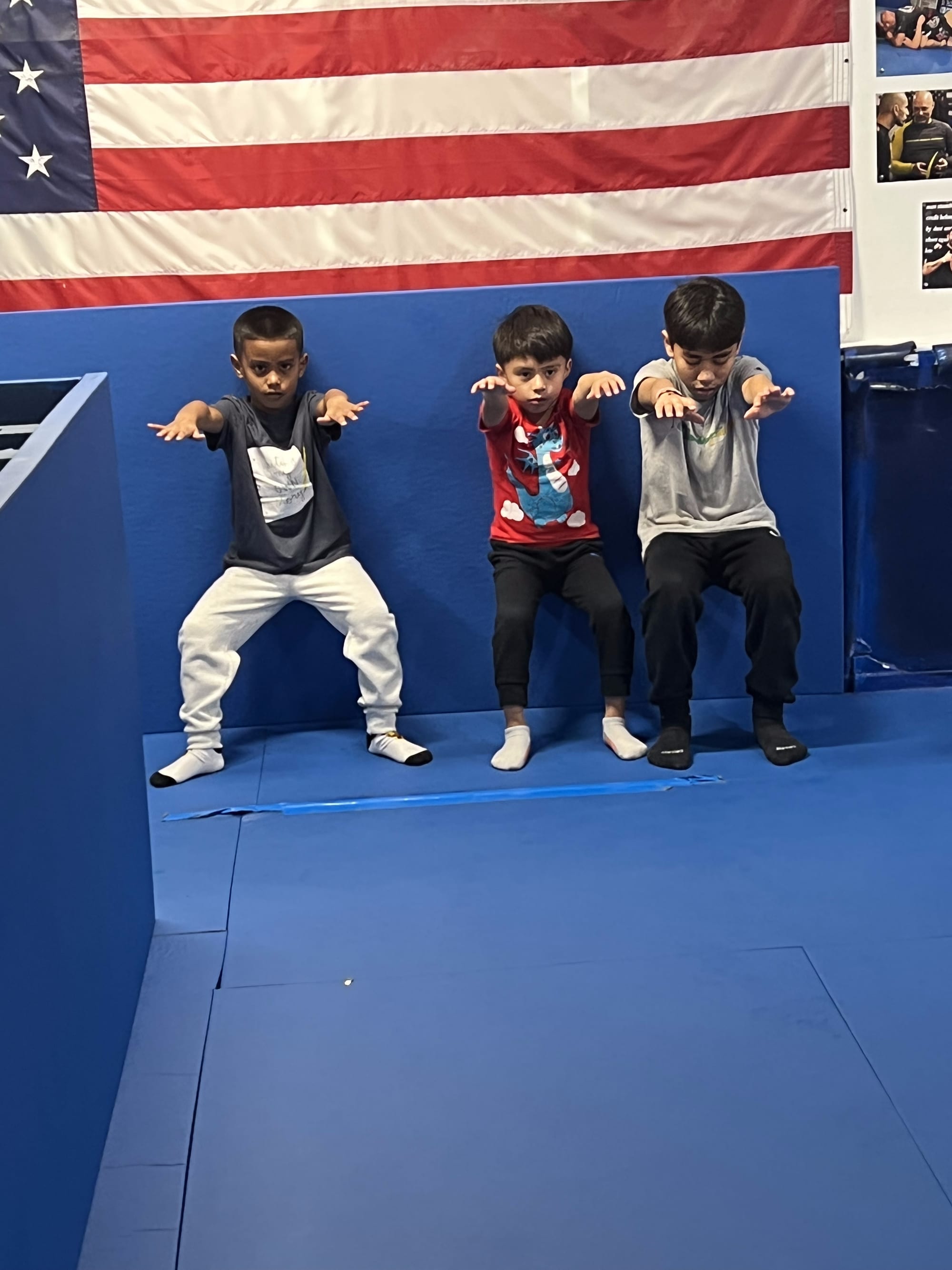
Parents ask a fair question before signing a kid up for boxing: is this going to teach my child to fight?
The honest answer is that it teaches the opposite far more often. Here’s why.
Discipline arrives before technique
The first things a young athlete learns at Ironhand have nothing to do with punching. Show up on time. Listen when a coach is talking. Wrap your own hands. Shake hands with the person you worked with. Put the equipment back.
Kids who are used to being told to sit still all day get something different here: a room where the physical energy is the point, but only inside a structure. That combination is unusually good at building self-control, and it tends to show up at school and at home before it shows up in the gym.
Coordination that transfers everywhere
Boxing is a full-body skill. Feet, hips, shoulders and hands all have to sequence correctly, in balance, while something is moving in front of you. Young athletes who train it pick up other sports noticeably faster. The body awareness carries.
Confidence, not aggression
The kids who talk the most about fighting are almost always the ones who’ve never done it. A child who spends a few months learning how hard this is actually gets less interested in proving anything. They know what they can do, which removes the need to demonstrate it.
That quiet version of confidence is what parents tell us they notice. Their kid stands differently. Handles a bad day better. Stops shrinking in rooms.
What the class looks like
Our Kids & Teens class runs Fridays at 5:00 PM. It’s pads, bags, footwork and conditioning, technique and fitness, not contact. If a young athlete later moves toward competing, that’s a separate conversation and a parent is part of it from the start.
We’ve had children start as young as seven. There’s a family rate of $150 per student for two or more kids, because more than a few families end up sending siblings once the first one starts talking about it at dinner.
Come watch a class
You don’t have to commit anything to see it. Come stand at the side of a Friday class and watch how the room runs. That usually answers the question better than we can.
Keep reading
The Importance of Boxing Fundamentals: Why the Basics Win Fights
Stance, footwork, the jab, defense, and balance. Coach Ian Sampaga explains the boxing fundamentals every beginner needs and why skipping them caps how good you can get.
How Long Before You Can Spar? And How Long Until You Can Compete?
Most beginners spar within 3 to 6 months, but the real answer depends on the person. Coach Ian Sampaga explains what he looks for before clearing a boxer to spar, and how he decides when a fighter is ready to compete.